
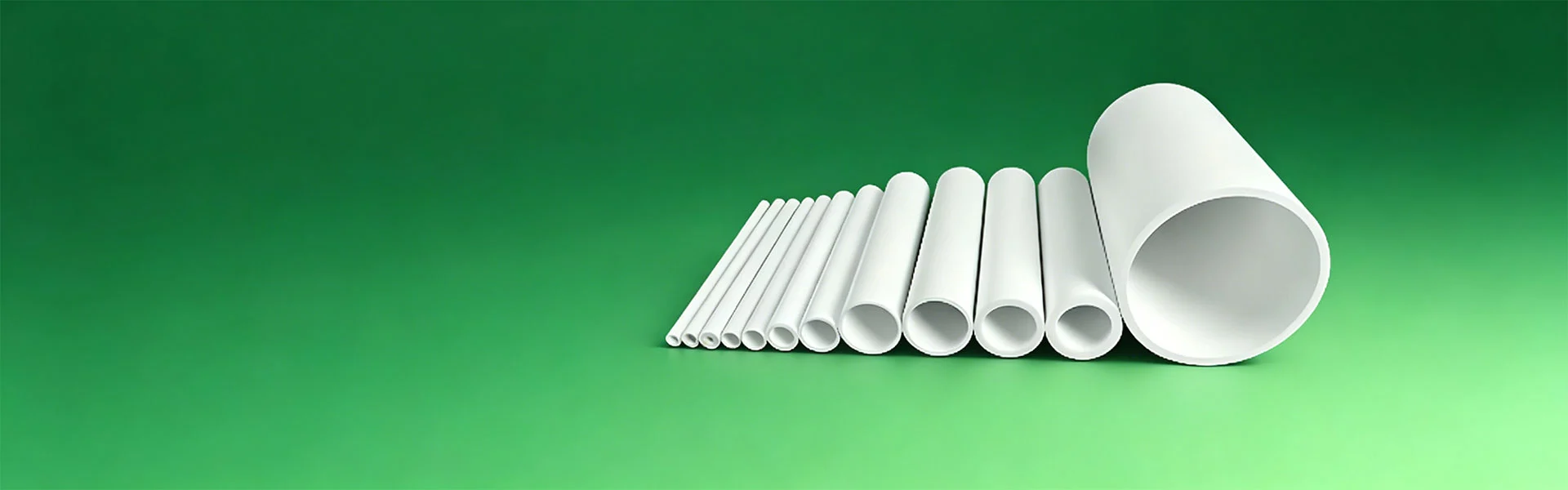
High-Quality Expanded PTFE Custom Manufacturing Solutions
What is Expanded PTFE?
In the world of high-performance polymers, Expanded PTFE (ePTFE) stands out as a material of exceptional versatility and reliability. Born from the expansion of standard PTFE (polytetrafluoroethylene), this engineered material transforms the inherent properties of its precursor—excellent chemical resistance and a low coefficient of friction—into something far more functional. Through a controlled expansion process, a microporous structure is created, imbuing the material with unique characteristics like breathability, compressibility, and enhanced sealing capabilities. While standard PTFE is a solid, non-porous fluoropolymer, ePTFE is a flexible, strong matrix of interconnected nodes and fibrils. This structure is the key to its widespread adoption across demanding industries such as aerospace, automotive, medical devices, filtration, and industrial sealing. For over two decades, Kaxite has been at the forefront of developing and manufacturing premium-grade Expanded PTFE solutions, tailoring its properties to meet the most challenging application requirements.
Key Properties and Advantages of Kaxite ePTFE
The superiority of Kaxite's Expanded PTFE lies in its carefully engineered combination of physical and chemical properties. These attributes make it an indispensable material where others fail.
- Chemically Inert: Like standard PTFE, ePTFE is resistant to virtually all industrial chemicals, solvents, and acids, ensuring long-term performance in corrosive environments.
- Wide Temperature Range: It maintains functionality from cryogenic temperatures as low as -268°C (-450°F) up to +288°C (+550°C) continuously, with higher short-term peaks possible.
- Excellent Dielectric Properties: Its high dielectric strength and low dissipation factor make it an outstanding electrical insulator.
- Hydrophobic & Oleophobic: The material naturally repels water and oils, making it ideal for filtration and venting applications where moisture resistance is critical.
- Biocompatible: Meets USP Class VI standards, making it suitable for use in medical implants and pharmaceutical processing.
- Highly Durable & Flexible: The microporous structure provides excellent fatigue resistance, allowing it to be flexed and compressed repeatedly without failure.
- Gas Permeable / Liquid Barrier: Can be engineered to allow gases to pass through while creating an effective seal against liquids, perfect for protective vents.
Technical Specifications & Product Parameters
Kaxite offers a range of Expanded PTFE products in various forms, including sheets, tapes, rods, tubes, and custom-molded parts. The specifications can be tailored, but our standard material ranges are detailed below.
Typical Physical Properties
| Property | Test Method | Typical Value Range | Units |
|---|---|---|---|
| Density | ASTM D792 | 0.35 - 1.2 | g/cm³ |
| Tensile Strength (MD)* | ASTM D638 | 10.0 - 50.0 | MPa |
| Elongation at Break (MD)* | ASTM D638 | 50 - 400 | % |
| Air Permeability (Gurley) | ASTM D737 | 1 - 300+ | sec |
| Thickness Range | - | 0.1mm - 10mm | mm |
| Operating Temperature | - | -268°C to +288°C | °C |
| Dielectric Strength | ASTM D149 | > 5 | kV/mm |
| Water Entry Pressure | ASTM F316 | > 200 | kPa |
*MD = Machine Direction. Properties can vary significantly based on degree of expansion and orientation.
Standard Product Forms and Dimensions
| Product Form | Standard Dimensions (Kaxite Stock) | Key Applications |
|---|---|---|
| Sheets & Rolls | Width: up to 1500mm; Thickness: 0.1mm - 3mm; Roll Length: Custom | Gaskets, Diaphragms, Insulation |
| Tapes (Skived & Expanded) | Width: 5mm - 500mm; Thickness: 0.05mm - 1mm | Thread Seal Tape, Wrapping, Spooling |
| Rod | Diameter: 3mm - 50mm; Length: 1000mm standard | Machined Components, Seals, Bushings |
| Tubing | ID: 1mm - 100mm; Wall Thickness: 0.2mm - 3mm | Medical Catheters, Insulated Sleeving, Liners |
| Molded Parts | Custom to Customer Drawing | Complex Seals, Bellows, Valve Components |
| Filter Membrane | Pore Size: 0.1µm - 10µm; Standard Sheets | Air/Gas Filtration, Liquid Filtration, Venting |
Frequently Asked Questions (FAQ) About Expanded PTFE
Q: What is the primary difference between PTFE and Expanded PTFE?
A: The core difference is in the microstructure. Standard PTFE is a solid, non-porous plastic. Expanded PTFE is created by mechanically stretching PTFE, creating a microporous structure of nodes interconnected by fibrils. This gives ePTFE new properties like flexibility, breathability, and compressibility while retaining PTFE's chemical and thermal resistance.
Q: Can Kaxite ePTFE be used for sealing applications?
A: Absolutely. It is one of the most common uses. ePTFE's compressibility and recovery allow it to form excellent seals against uneven surfaces and under low bolt loads. It is widely used for gaskets in chemical processing, flanges, and pumps. Kaxite offers both standard sheet gasketing and custom die-cut shapes.
Q: How does ePTFE perform in filtration compared to other materials?
A: ePTFE membranes offer superior performance. They provide very high filtration efficiency (often >99.99% for sub-micron particles) with relatively low airflow resistance. Their hydrophobic nature makes them excellent for filtering liquids while allowing air to pass, preventing clogging. They are more durable and chemically resistant than many polymer or cellulose filters.
Q: Is Expanded PTFE safe for medical use?
A: Yes, high-purity medical grade ePTFE, such as that manufactured by Kaxite under controlled cleanroom conditions, is biocompatible (USP Class VI, ISO 10993 tested). It is used in implants like vascular grafts, sutures, and surgical patches, as well as in pharmaceutical filtration and venting for containers.
Q: How do I select the correct density or porosity for my application?
A: Selection depends on the required function. For high-pressure sealing, a higher density (e.g., >0.8 g/cm³) is typical for better creep resistance. For filtration or venting, a lower density with controlled porosity is chosen to achieve specific airflow and particle retention. The Kaxite engineering team provides direct support to help specify the optimal material grade.
Q: Can ePTFE be bonded or laminated to other materials?
A: Yes, a key advantage of ePTFE is its ability to be laminated to substrates like fabrics, nonwovens, foams, and other films. This creates composite materials that combine the benefits of ePTFE (e.g., filtration, barrier) with the strength or structure of the backing. Kaxite specializes in creating such custom laminates for protective apparel, industrial fabrics, and filter media.
Q: Does ePTFE degrade under UV exposure?
A: Like most polymers, prolonged direct exposure to ultraviolet light can cause some surface degradation over an extended period. For outdoor applications, Kaxite can provide ePTFE with UV stabilizers or recommend it be used in a protected configuration (e.g., within an assembly, laminated with a UV-resistant layer).
Q: What are the machining capabilities for ePTFE parts?
A: ePTFE can be machined using standard CNC equipment, but it requires specific techniques due to its softness and flexibility. It can be cleanly cut, stamped, die-cut, skived, and turned. For complex molded shapes, Kaxite utilizes specialized sintering and molding processes to achieve net-shape parts with consistent material properties.


- View as

PTFE Expanded Sheet of Different Thickness E-PTFE Foamed Sheet Teflon Sheet
Kaxite Sealing's PTFE Expanded Sheet offers versatile thickness options, crafted from high-quality E-PTFE foamed Teflon. Known for exceptional durability, chemical resistance, and thermal stability, it outperforms standard sheets in demanding applications. Ideal for engineers and manufacturers in aerospace, automotive, and industrial sectors, this sheet ensures reliable sealing and insulation, solving leakage and wear issues. Experience enhanced safety and efficiency with our superior PTFE sheet, setting a new standard in performance.

Non-Standard Soft Expanded Ptfe Sheet Electronic Resistant Does Not Hydrolyze
Kaxite Sealing presents the Non-Standard Soft Expanded PTFE Sheet: an electronic-resistant marvel that resists hydrolysis, perfect for demanding sectors like electronics and aerospace. Its flexible design ensures reliable sealing in harsh conditions, solving leakage woes with unmatched durability. Experience peace of mind with our innovative solution tailored for engineers and manufacturers. Stand out with Kaxite Sealing's superior quality today!

Chemical Resistant Expanded Ptfe Sheet White Color Moulded Ptfe Plate
Kaxite Sealing's Chemical Resistant Expanded PTFE Sheet in white color is a moulded PTFE plate engineered for extreme durability and versatility. Ideal for industrial applications, it offers superior chemical resistance, ensuring reliable performance in harsh environments. Its unique expanded structure enhances flexibility and sealing capabilities, providing peace of mind for engineers and manufacturers. Choose Kaxite Sealing for unmatched quality and innovation that boosts efficiency and reduces downtime—take your projects to the next level today!

Natural Color Expanded Ptfe Sheet 3 mm Thickness Square Shaped For Industrial
Discover the durability and versatility of Kaxite Sealing's Natural Color Expanded PTFE Sheet with a 3 mm thickness, square-shaped for industrial applications. Made from premium, natural expanded PTFE, this sheet offers exceptional chemical resistance, flexibility, and non-stick properties, ideal for gaskets, seals, and linings in demanding environments like manufacturing, automotive, and chemical processing. Its uniform thickness ensures reliable performance, solving leakage and wear issues while enhancing operational efficiency. Set apart by its high-purity material and precise square design, it installs easily for a seamless, long-lasting solution. Trust Kaxite Sealing for quality that boosts productivity and reduces downtime—get yours today to elevate your industrial operations.

Super Smooth Surface And Non-Abrasion Expanded Ptfe Sheet For German Market
Kaxite Sealing presents the Super Smooth Surface and Non-Abrasion Expanded PTFE Sheet, engineered for Germany marketing. This premium PTFE product excels in industrial applications with its ultra-smooth, durable finish that prevents abrasion and wear. Ideal for clients in the German market seeking high-performance sealing solutions, it offers unmatched reliability and longevity. Experience a seamless, long-lasting performance that addresses wear and tear challenges, setting it apart from conventional materials. Trust Kaxite Sealing for quality that inspires confidence and drives efficiency in demanding environments.

High Performance Virgin Expanded Ptfe Sheet 3mm Thick Super Smooth
Discover Kaxite Sealing’s High Performance Virgin Expanded PTFE Sheet in 3mm thickness, offering super-smooth durability for critical sealing applications. Made from premium, pure materials, it ensures exceptional chemical resistance and low friction, outperforming standard options. Ideal for engineers and industries requiring reliable, long-lasting performance in demanding environments. Experience confidence and precision with a solution designed to meet your highest standards.

Natural Color Virgin Expanded PTFE Sheets 1200mm Soft Sealing
Kaxite Sealing presents Natural Color Virgin Expanded PTFE Sheets 1200mm Soft Sealing—the ultimate solution for superior sealing. Crafted from pure, high-quality virgin PTFE, these sheets offer unbeatable chemical resistance, flexibility, and durability, ideal for industrial applications like gaskets and linings. Its soft texture ensures easy installation and reliable performance, providing peace of mind and enhanced efficiency. Perfect for engineers and maintenance professionals, it stands out with its eco-friendly design and consistent quality. Elevate your projects with Kaxite Sealing's trusted excellence.

Extreme corrosion resistant Expanded PTFE Sheet Good Mechanical Strength
Kaxite Sealing presents the Extreme Corrosion Resistant Expanded PTFE Sheet, engineered for demanding applications where durability and reliability are paramount. This high-performance sheet offers exceptional chemical resistance and impressive mechanical strength, making it ideal for sealing solutions in harsh environments, including chemical processing, industrial manufacturing, and automotive sectors. Crafted from premium materials, it ensures long-lasting protection against aggressive substances, reducing maintenance costs and downtime. With its superior performance and Kaxite Sealing's commitment to quality, this PTFE sheet empowers users with confidence and efficiency, solving critical sealing challenges effortlessly.

Pure White PTFE Foamed Tape Expanded PTFE Tape Expanded PTFE Joint Sealant
Discover Kaxite Sealing's Pure White PTFE Foamed Tape, an expanded PTFE tape and joint sealant offering exceptional sealing properties. Made from high-quality PTFE, it provides superior resistance to chemicals and extreme temperatures, ensuring reliable performance in plumbing, HVAC, and industrial applications. This versatile solution solves leaks and wear issues, giving users peace of mind with long-lasting durability. Its unique foamed structure allows for easy application and a secure fit, outperforming traditional sealants. Trust Kaxite Sealing for a reliable, efficient, and clean sealing experience that enhances your projects.

High Temperature Resistance Expanded PTFE Tape Variable 1.5 - 10.0mm
Discover Kaxite Sealing's High Temperature Resistance Expanded PTFE Tape, featuring a versatile 1.5-10.0mm thickness range. This premium tape excels in extreme heat applications, providing reliable sealing solutions for industrial professionals and DIY enthusiasts. Its unique expanded PTFE material ensures durability and superior performance, solving leakage challenges with ease. Experience peace of mind and enhanced efficiency in demanding environments, setting it apart from standard options. Upgrade your projects today!

Low Temperature Resistance Expanded PTFE Tape Variable Color -160°C - 280°C
Discover Kaxite Sealing's Low Temperature Resistance Expanded PTFE Tape Variable Color -160°C - 280°C, a versatile sealing solution engineered for extreme environments. Crafted from high-quality expanded PTFE, it offers superior flexibility and durability, ensuring reliable performance in temperatures from -160°C to 280°C. Ideal for industrial professionals, DIY enthusiasts, and anyone tackling harsh conditions, this tape provides a secure, leak-proof seal that boosts confidence and efficiency. Stand out with its variable color options for easy identification and enhanced safety. Elevate your projects with trusted Kaxite Sealing quality today!

100% Ptfe Thread Seal Tape Expanded Ptfe Tapes With Thickness 0.075 mm
Discover the 100% PTFE Thread Seal Tape from Kaxite Sealing, featuring expanded PTFE tapes with a precise 0.075 mm thickness. Ideal for professionals and DIY enthusiasts, this durable, leak-proof sealant excels in plumbing and industrial applications, offering superior resistance to chemicals and extreme temperatures. Its ultra-thin design ensures easy application and a secure fit, delivering peace of mind and reliability. Stand out with Kaxite Sealing's high-quality innovation—the perfect solution for all your sealing needs.


