
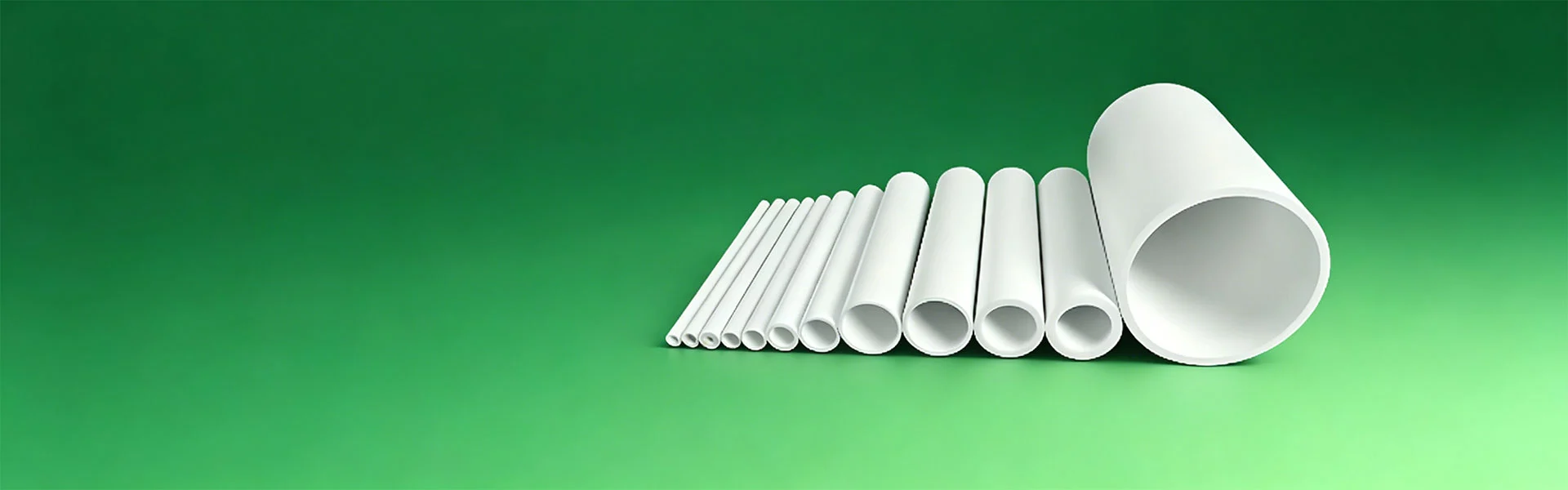
Quality PTFE Teflon Film Solutions for Wholesale from China
Understanding Ptfe Teflon Film: The High-Performance Polymer Solution
Polytetrafluoroethylene (PTFE), widely recognized by the DuPont brand name Teflon®, represents a pinnacle of engineered fluoropolymer materials. Kaxite Ptfe Teflon Film embodies this legacy, offering an exceptional combination of properties that make it indispensable across demanding industrial, electrical, and manufacturing sectors. This thin, flexible sheet material is engineered for scenarios where extreme temperatures, aggressive chemicals, or stringent electrical and non-stick requirements are present. Unlike standard plastics or coatings, PTFE film maintains its integrity and performance where others fail, providing reliable, long-term solutions for sealing, insulating, releasing, and protecting sensitive components. For engineers and procurement specialists seeking a material that delivers consistent performance under stress, Ptfe Teflon Film stands as the proven choice.
Key Properties and Advantages of Kaxite PTFE Film
The superiority of Kaxite PTFE Film stems from its unique molecular structure, characterized by strong carbon-fluorine bonds. This structure grants the material a set of unparalleled characteristics:
- Exceptional Chemical Resistance: It is virtually inert, resisting attack by nearly all industrial chemicals, solvents, and acids, making it ideal for gaskets and linings in corrosive environments.
- Wide Operating Temperature Range: It performs consistently from -270°C (-454°F) to +260°C (+500°F) continuously, with short-term tolerances even higher.
- Outstanding Electrical Properties: It possesses an extremely high dielectric strength and volume resistivity, serving as an excellent insulator in high-voltage and high-frequency applications.
- Low Coefficient of Friction: It has one of the lowest friction coefficients of any solid material, providing superb non-stick and release properties.
- Excellent Weatherability & UV Resistance: It is unaffected by sunlight, moisture, and outdoor exposure, ensuring long-term stability.
- High Purity & Biocompatibility: Certain grades meet USP Class VI standards, suitable for medical and food-contact applications.
- Non-Flammability: It is inherently flame-retardant and will not support combustion.
Kaxite PTFE Teflon Film Product Specifications & Data
Kaxite manufactures PTFE films in various formulations and forms to meet precise application needs. Below are the detailed specifications for our standard skived (calendered) and cast films.
Standard Skived PTFE Film Specifications
| Property | Test Method | Typical Value | Unit |
|---|---|---|---|
| Thickness Range | ASTM D374 | 0.025 - 3.0 | mm |
| Density | ASTM D792 | 2.15 - 2.20 | g/cm³ |
| Tensile Strength (MD) | ASTM D882 | 20 - 35 | MPa |
| Elongation at Break (MD) | ASTM D882 | 200 - 400 | % |
| Dielectric Strength | ASTM D149 | 80 - 200 | kV/mm |
| Volume Resistivity | ASTM D257 | >10¹⁷ | Ω·cm |
| Continuous Service Temperature | - | -270 to +260 | °C |
| Coefficient of Friction (Dynamic) | ASTM D1894 | 0.05 - 0.08 | - |
Available Film Types from Kaxite
| Film Type | Description | Key Applications |
|---|---|---|
| Virgin PTFE Skived Film | Pure, unfilled PTFE with high clarity and optimal electrical properties. | High-frequency insulation, capacitor films, medical components. |
| Filled PTFE Film (Glass, Carbon, etc.) | Reinforced with fillers to improve wear resistance, creep resistance, and thermal conductivity. | Wear pads, bearing liners, high-load gaskets. |
| PTFE Coated Fabric/Film | Fiberglass or other fabric coated with PTFE for added strength and dimensional stability. | Conveyor belts, release sheets, architectural membranes. |
| Cast PTFE Film | Very thin films (down to 5µm) with uniform thickness, produced via dispersion casting. | Microporous membranes, laminates, specialty electrical insulation. |
| Adhesive-Backed PTFE Film | PTFE film with PSA (Pressure Sensitive Adhesive) on one side for easy application. | Quick installation on rollers, plates, or guides in packaging machinery. |
Common Applications of Kaxite PTFE Teflon Film
The versatility of PTFE film allows it to solve complex problems across diverse industries. Here are some of its primary uses:
- Electrical & Electronics: Slot liners, coil insulation, wire wrap, capacitor dielectrics, flexible printed circuit boards (FPCs), and high-voltage barrier insulation.
- Industrial Gasketing & Sealing: Gaskets, seals, and packings for chemical processing equipment, pumps, valves, and flanges exposed to aggressive media.
- Release Surfaces: Non-stick surfaces for heat sealing jaws in packaging, laminating presses, composite curing, and molding processes for epoxy, rubber, and plastics.
- Food & Pharmaceutical Processing: Conveyor belt liners, slide surfaces, and separation sheets where hygiene, non-stick, and FDA/USP compliance are critical.
- Aerospace & Automotive: Lightweight insulation for wires and components, protective sleeves, and lubricious liners in high-temperature environments.
- Architecture & Textiles: As a durable, weather-resistant layer in architectural membranes and as a coating for fiberglass fabrics in tensile structures.
Frequently Asked Questions (FAQ) About PTFE Teflon Film
What is the main difference between PTFE and Teflon?
Teflon is a brand name for PTFE (polytetrafluoroethylene) owned by Chemours (formerly DuPont). Chemically, they are the same material. "PTFE" is the generic term, while "Teflon" is the most well-known commercial name. Kaxite PTFE Film offers the same high-performance properties associated with the Teflon brand.
Can Kaxite PTFE Film be heat sealed or welded?
Pure PTFE cannot be melted and welded using conventional thermal methods due to its extremely high melt viscosity. However, specialized techniques like hot air welding (for thicker sheets) or thermal lamination using adhesives can be employed. For hermetic seals, alternative designs using gaskets or compatible adhesives are recommended.
How does PTFE film handle outdoor and UV exposure?
PTFE film has outstanding resistance to weathering and ultraviolet (UV) radiation. It does not degrade, become brittle, or significantly lose its properties when exposed to sunlight over extended periods, making it an excellent choice for architectural and outdoor industrial applications.
Is PTFE film safe for food contact and medical use?
Yes, virgin (unfilled, uncontaminated) PTFE is biologically inert and meets FDA regulations for food contact. Specific grades of Kaxite PTFE Film can be supplied with compliance documentation for FDA 21 CFR and USP Class VI standards, making them suitable for medical device components and pharmaceutical processing.
What are the limitations of PTFE film?
While exceptionally resistant, PTFE film has some limitations. It can be susceptible to creep or cold flow under sustained heavy loads. It has relatively low mechanical strength compared to metals or some engineering plastics. It is also permeable to some gases and can be difficult to bond without surface treatment (like sodium etching) or specialized adhesives.
How should I cut and fabricate PTFE film?
PTFE film is easily fabricated using standard workshop tools. It can be cleanly cut with razor blades, die-cut, punched, or sheared. For precision cutting, CNC knife cutting or laser cutting are effective. Drilling and milling are also straightforward. Always ensure tools are sharp to achieve clean edges.
Can PTFE film be used as a replacement for sprayed-on Teflon coatings?
In many cases, yes. PTFE film offers a solid, consistent thickness without the application variables of spraying (like uneven coating, pinholes, or curing issues). It is ideal for creating a uniform, high-performance surface on flat or gently curved areas and can be replaced when worn without extensive surface preparation.
What is the shelf life of Kaxite PTFE Film?
When stored properly in a cool, dry environment away from direct sunlight and extreme temperatures, PTFE film has an essentially indefinite shelf life. Its properties do not degrade over time under normal storage conditions.
Selecting the Right Kaxite PTFE Film for Your Application
Choosing the correct PTFE film specification is critical for optimal performance and cost-efficiency. Key selection criteria include:
- Thickness: Determines dielectric strength, mechanical barrier, and conformability.
- Type (Virgin vs. Filled): Virgin for purity and electrical uses; filled for improved wear and compression resistance.
- Temperature & Chemical Exposure: Confirm the film's range matches your operating environment.
- Surface Requirements: Consider if a treated surface for adhesion or a specific surface finish is needed.
- Regulatory Compliance: Ensure the material grade meets necessary industry standards (UL, FDA, USP, MIL Spec).
Kaxite's technical support team can assist in reviewing your application requirements to recommend the most suitable PTFE film product from our portfolio.


- View as

Excellent Machining Acid And Chemical Resistant Ptfe Teflon Film With Low Friction
Discover Kaxite Sealing's Excellent Machining Acid and Chemical Resistant PTFE Teflon Film with low friction—ideal for demanding industrial applications. This durable film offers superior resistance to harsh chemicals, providing reliable protection and smooth performance in machinery, electronics, and laboratory settings. Its unique low-friction design enhances efficiency, reducing wear and energy consumption. Perfect for engineers, manufacturers, and researchers seeking a trustworthy solution. With Kaxite Sealing's commitment to quality, elevate your projects with this versatile and resilient film that stands out in the market.

Chemical Resistant Minimal Water Absorption Excellent Machining Ptfe Teflon Film
Kaxite Sealing offers premium chemical resistant PTFE Teflon film with minimal water absorption, ideal for demanding industrial and lab applications. Its excellent machining capabilities provide durability and reliability, solving wear and contamination issues for engineers and manufacturers. Stand out with superior performance and long-lasting protection. Trust Kaxite Sealing for high-quality sealing solutions that deliver peace of mind and efficiency.

Electrical Insulation Minimal Water Absorption Low friction Ptfe Teflon Film
Elevate your projects with Kaxite Sealing's Electrical Insulation Minimal Water Absorption Low friction Ptfe Teflon Film, crafted from premium PTFE for superior insulation and minimal water absorption, ensuring safety in demanding electrical and industrial settings. Experience low friction and durability, ideal for engineers, manufacturers, and DIY enthusiasts in environments like machinery and electronics. This reliable solution reduces maintenance issues and downtime, offering a trusted, high-performance edge over alternatives. Choose Kaxite Sealing for quality you can count on—perfect for enhancing efficiency and longevity.

Low Friction Acid And Chemical Resistant High Working Temperatures Ptfe Teflon Film
Kaxite Sealing's PTFE Teflon film revolutionizes industrial applications: it's a high-performance material designed for extreme conditions, offering low friction, exceptional acid and chemical resistance, and stability at high working temperatures. This advanced film ensures durability and reliability in harsh environments, from chemical processing to aerospace. With Kaxite Sealing, experience unmatched protection and efficiency, solving critical sealing and insulation challenges. Its superior quality outperforms competitors, delivering peace of mind and enhanced performance. Trust our expertise for your toughest needs!

Excellent Machining High Working Temperatures Low Friction Skived Teflon PTFE Film
Kaxite Sealing presents the Excellent Machining High Working Temperatures Low Friction Skived Teflon PTFE Film, a premium solution for sealing and gasketing applications. With superior machinability, it withstands extreme heat while ensuring minimal friction, ideal for industries like automotive, aerospace, and manufacturing. This film addresses wear and tear challenges, offering durability and reliability that enhance performance and reduce maintenance costs. Its unique skived construction provides consistent quality for demanding environments. Choose Kaxite Sealing for unmatched precision and efficiency in high-temperature, low-friction needs.

High Temperature Ptfe Teflon Film Tape 0.03mm For Gas Water
Kaxite Sealing presents the High Temperature PTFE Teflon Film Tape 0.03mm for gas and water applications. This ultra-thin, durable tape provides exceptional heat resistance and leak-proof sealing, ideal for industrial and household use. Its non-stick surface ensures easy application and long-lasting performance, solving sealing challenges effortlessly. Experience reliable protection and peace of mind with this superior-quality tape.

Virgin Skived Ptfe Teflon Film Anticorrosive With Low Friction OEM
Kaxite Sealing's Virgin Skived Ptfe Teflon Film offers superior anticorrosive protection with exceptionally low friction, ideal for OEM applications. Made from pure, virgin material, it ensures durability and reliability, making it perfect for industries requiring high-performance sealing solutions. Experience smooth operation and long-lasting resistance—choose Kaxite Sealing for unmatched quality.

Electrical Insulation Skived Ptfe Teflon Film Corrosion Resistance
Kaxite Sealing's Electrical Insulation Skived Ptfe Teflon Film offers superior corrosion resistance and reliable insulation for demanding electrical and industrial applications. Crafted from high-quality PTFE material, this durable film ensures long-lasting protection against harsh environments, making it ideal for engineers and manufacturers seeking enhanced safety and performance. Experience peace of mind with a product that stands out for its exceptional durability and resistance, solving critical insulation challenges effectively.

Moisture Proof High insulation Ptfe Teflon Film 0.04mm Electrical Insulation
Kaxite Sealing presents its Moisture Proof High insulation Ptfe Teflon Film 0.04MM Electrical Insulation, a premium-grade solution designed for superior electrical protection. This ultra-thin, durable film ensures reliable moisture resistance and high insulation, ideal for engineers and manufacturers in demanding applications. Experience enhanced safety and peak performance with our top-tier PTFE technology, setting a new standard in quality and durability.

Waterproof And Breathable Red Blue Ptfe Teflon Film High Electric Insulation
Kaxite Sealing presents the Waterproof And Breathable Red Blue Ptfe Teflon Film High Electric Insulation, a cutting-edge solution for electronics and industrial applications. This durable red-blue PTFE film offers superior waterproofing, breathability, and high electrical insulation, ideal for engineers and manufacturers seeking reliable performance. Crafted with advanced Teflon technology, it ensures safety and efficiency, preventing moisture damage and enhancing device longevity. Stand out with Kaxite Sealing's innovative design, trusted for quality and precision in demanding environments. Elevate your projects—experience unmatched protection and peace of mind today!

High Temperatures Good Electrical Insulation Low Friction Ptfe Teflon Film
Experience unparalleled performance with Kaxite Sealing's High Temperatures Good Electrical Insulation Low Friction PTFE Teflon Film. This premium film excels in extreme temperatures, ensuring excellent electrical insulation and low friction for smooth, reliable operation—perfect for demanding industrial applications. It offers a durable solution that reduces wear and costs, ideal for engineers and manufacturers seeking efficiency. Choose Kaxite Sealing for cutting-edge innovation and lasting quality, transforming your operations with confidence.

Skived PTFE Teflon Film High Insulation High Dielectric Heat Resistance
Discover Kaxite Sealing's Skived PTFE Teflon Film, engineered for unmatched performance with high insulation, high dielectric strength, and exceptional heat resistance. Ideal for industries like electronics, aerospace, and automotive, this premium film ensures reliable protection and durability in demanding conditions. Choose Kaxite Sealing for superior quality and innovative solutions that enhance efficiency and safety.


