
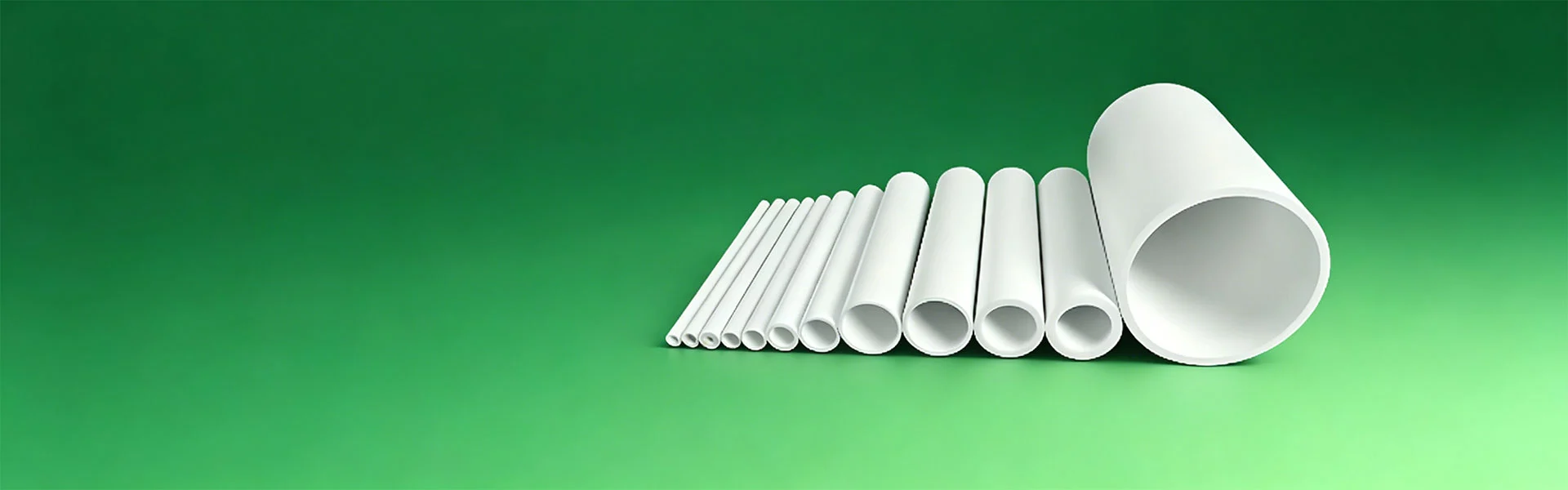
Professional OEM ODM Manufacturer Solutions for Quality Filled PTFE Products in China
Understanding Filled PTFE Products: A Comprehensive Guide
At Kaxite, we specialize in engineering and manufacturing high-performance Filled PTfe Products designed to meet the rigorous demands of modern industry. While pure PTFE (Polytetrafluoroethylene) is renowned for its exceptional chemical resistance, low friction, and broad temperature range, its inherent limitations—such as high creep (cold flow), wear resistance, and thermal conductivity—can be a challenge in demanding mechanical applications. This is where filled PTFE compounds elevate performance. By incorporating specific fillers into the PTFE polymer matrix, we create composite materials that retain the core benefits of PTFE while dramatically enhancing key mechanical and physical properties. Our filled PTFE products are the engineered solution for applications requiring superior strength, durability, and dimensional stability under load.
Key Parameters of Kaxite Filled PTFE Products
The performance of a filled PTFE component is directly determined by the type, size, and proportion of fillers used. Kaxite's technical expertise allows us to formulate compounds tailored for specific operational environments. Below are the critical parameters that define our product line.
Primary Filler Types and Their Functions
- Glass Fiber: Enhances compressive strength, reduces creep, and improves wear resistance. Ideal for heavy-load bearings and thrust washers.
- Carbon/Graphite: Significantly improves wear resistance and thermal conductivity while maintaining low friction. Excellent for dynamic seals and piston rings.
- Bronze: Greatly increases thermal conductivity and compressive strength, reducing thermal expansion. Used in bushings operating under high PV (Pressure-Velocity) conditions.
- Molybdenum Disulfide (MoS2): Acts as a solid lubricant, further reducing friction and improving wear life in non-lubricated or dry running applications.
- Stainless Steel: Provides maximum mechanical strength, hardness, and excellent creep resistance for severe service applications.
- Polymer Fillers (e.g., PEEK, PI): Improve wear resistance and mechanical properties while maintaining good chemical resistance.
Technical Property Comparison Table
This table compares typical property ranges for common Kaxite filled PTFE grades against unfilled PTFE. Values are indicative and can be customized.
| Property | Unfilled PTFE | 15% Glass Filled | 25% Carbon Filled | 40% Bronze Filled | 60% Stainless Steel Filled |
|---|---|---|---|---|---|
| Tensile Strength (psi) | 2,500 - 4,000 | 2,800 - 3,500 | 2,200 - 2,800 | 2,000 - 2,500 | 2,500 - 3,200 |
| Compressive Strength (psi) | 1,700 | 3,500 | 3,000 | 5,500 | 7,000+ |
| Wear Factor (K) x 10-10 in3min/ft-lb-hr | 4,000 | 300 | 50 | 200 | 150 |
| Max PV (psi x fpm) - Dry | 1,000 | 10,000 | 15,000 | 25,000 | 30,000+ |
| Coefficient of Thermal Expansion (10-5/°C) | 12 | 10 | 9 | 8.5 | 7.5 |
| Continuous Service Temp. (°C) | -200 to +260 | -200 to +260 | -200 to +260 | -200 to +260 | -200 to +260 |
Standard Product Forms & Specifications
- Sheets/Rods/Tubes: Available in standard and custom sizes. Sheets from 1mm to 100mm thick. Rods from 5mm to 300mm diameter.
- Tolerance Standards: Standard machining tolerances per ISO 2768-mK. Tighter tolerances available upon request.
- Color Coding: Standard grades have color identifiers (e.g., natural/white for glass, black for carbon, brown for bronze) for easy identification.
- Certifications: Kaxite materials comply with FDA, USP Class VI, EU 10/2011, and RoHS standards where applicable. Material certifications are provided.
Filled PTFE Products: Frequently Asked Questions (FAQ)
What are the main advantages of using filled PTFE over pure PTFE?
The primary advantages are dramatically improved mechanical properties. While pure PTFE has excellent chemical and thermal properties, it suffers from high creep (deformation under load), relatively low wear resistance, and poor thermal conductivity. Filled PTFE compounds from Kaxite are engineered to overcome these weaknesses. The fillers reinforce the polymer matrix, leading to significantly higher compressive strength, greatly reduced creep, improved wear resistance (often by a factor of 100-1000x), better dimensional stability, and enhanced thermal conductivity. This allows filled PTFE components to perform reliably in demanding mechanical applications like bearings, seals, and wear rings where pure PTFE would fail.
How do I choose the right filler type for my application?
Selection depends on the dominant requirement of your application. For general-purpose wear resistance and strength improvement, glass fiber is a cost-effective choice. For applications requiring excellent wear resistance coupled with good thermal conductivity and low friction (e.g., dry running seals), carbon/graphite fillers are superior. For high-load, low-speed applications where heat dissipation is critical, bronze-filled PTFE is optimal. For the most severe services requiring the ultimate in compressive strength, creep resistance, and hardness, stainless steel filled PTFE is recommended. The team at Kaxite can provide detailed application engineering support to help you select the perfect compound.
Do filled PTFE products lose the chemical resistance of pure PTFE?
Generally, filled PTFE retains the outstanding chemical resistance of the PTFE base polymer against most aggressive chemicals, including strong acids, bases, and solvents. However, the chemical compatibility can be influenced by the filler material itself. For example, bronze-filled PTFE should be avoided in applications involving strong oxidizing acids. Glass-filled PTFE may be susceptible to hydrofluoric acid and strong hot alkalies which attack glass. Kaxite provides detailed chemical resistance charts for each of our filled grades, and for critical chemical applications, we recommend testing or consulting with our engineers to ensure compatibility.
What are the machining considerations for filled PTFE components?
Filled PTFE is readily machinable using standard metalworking tools, but it requires specific techniques. Key considerations include: using sharp, positive-rake tools (carbide is recommended); employing high cutting speeds with light to moderate feed rates; ensuring proper part clamping to avoid deformation; and providing adequate cooling with air or a mist to control heat and remove chips. The abrasive nature of some fillers (like glass or bronze) will cause more tool wear than unfilled PTFE. Kaxite offers precision machining services and can supply finished components to your exact drawings, ensuring optimal performance and saving you production time.
Can Kaxite produce custom filled PTFE formulations?
Absolutely. Custom formulation is a core strength at Kaxite. Beyond our standard range of glass, carbon, bronze, and stainless steel filled products, we develop specialized compounds for unique challenges. This can include blends of multiple fillers (e.g., carbon and bronze), specific filler particle sizes for optimized wear or surface finish, and incorporation of specialty additives like colorants or conductivity modifiers. If your application has a specific set of requirements regarding PV limit, coefficient of friction, electrical properties, or FDA compliance, our technical team can engineer a material solution tailored precisely to your needs.
What industries commonly use Kaxite's filled PTFE products?
Our filled PTFE products serve a vast array of industries. In aerospace and aviation, they are used in fuel systems, actuators, and gaskets. The chemical processing industry relies on them for seals, valve seats, and pump components handling corrosive fluids. In automotive and transportation, they are found in transmission seals, shock absorber seals, and bearing pads. The food and pharmaceutical sector uses FDA-compliant grades for wear plates and guide rings. Other key sectors include semiconductor manufacturing (for high-purity components), oil & gas (downhole tools, seals), and heavy industrial machinery (bearings, thrust washers).


- View as

Carbon Fiber Filled Ptfe Skived Sheet Corrosion-Resistant
Kaxite Sealing's Carbon Fiber Filled PTFE Skived Sheet offers superior corrosion resistance for demanding industrial applications. This innovative material combines durability with reliability, ideal for chemical processing and harsh environments. Experience unmatched performance and peace of mind today!

Graphite Glass Fiber Filled PTFE Skived Sheet Non-Stick Anti-Aging
Kaxite Sealing presents our Graphite Glass Fiber Filled PTFE Skived Sheet, designed for demanding industrial applications requiring non-stick, Anti-Aging performance. This advanced sheet combines PTFE's excellent chemical resistance with graphite and glass fiber reinforcement, providing superior durability, reduced wear, and enhanced stability in high-stress environments. Ideal for engineers, manufacturers, and maintenance professionals, it's perfect for seals, gaskets, and liners in automotive, aerospace, or chemical processing. Experience reliable, long-lasting solutions that minimize downtime and maintenance costs. Choose Kaxite Sealing for cutting-edge materials that excel where others fail.

Custom Designed Filled Teflon Ptfe Sheet With Virgin And Recycled Materials
Kaxite Sealing's Custom Designed Filled Teflon PTFE Sheet, crafted from a blend of virgin and recycled materials, offers superior durability, chemical resistance, and tailored solutions. Ideal for industrial and engineering applications, it ensures reliability and eco-friendliness, solving complex sealing challenges with precision. This sheet sets itself apart through customizable options and sustainable practices, delivering peace of mind and enhanced performance. Experience innovation and quality—choose Kaxite Sealing for your next project.

Custom Designed Non-stick Glass Filled Teflon Ptfe Skived Sheet With Color Pigment
Discover Kaxite Sealing's custom-designed non-stick glass-filled Teflon PTFE skived sheet with color pigment—perfect for sealing solutions in demanding industrial and culinary applications. This durable sheet offers superior heat resistance, easy cleaning, and vibrant customization options, appealing to manufacturers and chefs alike. Stand out with unique colors and enhanced performance, solving adhesion issues and boosting efficiency. Experience reliability and style; trust Kaxite Sealing for premium quality.

White Natural Recycled Teflon PTFE Sheet Teflon Sheeting Carbon Filled Plate
Kaxite Sealing proudly presents the White Natural Recycled Teflon PTFE Sheet Teflon Sheeting Carbon Filled Plate. This product is crafted from eco-friendly recycled PTFE with added carbon for enhanced durability and superior sealing performance. Ideal for industrial applications, it offers exceptional chemical resistance and reduced friction. Unlike standard options, our unique carbon-filled design ensures longer lifespan and reliable operation under extreme conditions. Experience increased efficiency and peace of mind with every use.

Graphite Filled Teflon PTFE Sheet Dimple Plates for Bridge
Kaxite Sealing's Graphite Filled Teflon PTFE Sheet Dimple Plates for Bridge provide superior sealing and stability in bridge applications. Made from durable graphite-filled PTFE, their dimpled design ensures excellent load distribution and long-lasting performance, ideal for engineers and contractors seeking reliable solutions. Feel confident with enhanced safety and reduced maintenance. Unlike standard plates, they offer improved wear resistance and flexibility. Trust Kaxite for quality that bridges excellence.

Colorful Filled Teflon Ptfe Sheet Good Performance With Virgin And Recycled Materials
Discover Kaxite Sealing's Colorful Filled Teflon PTFE Sheet, blending virgin and recycled materials for durable, high-performance sealing solutions in industrial and manufacturing applications. Its vibrant colors and eco-friendly design offer reliable leak prevention and chemical resistance, ideal for engineers seeking sustainable, efficient options. Experience enhanced safety and longevity, setting it apart with superior quality and versatility. Elevate your projects with this innovative, trusted sheet today!

Bronze Filled Ptfe Chemical Resistant Ptfe Expanded Sheet
Kaxite Sealing's Bronze Filled PTFE Expanded Sheet offers superior chemical resistance and durability for industrial applications. Its bronze-filled PTFE material ensures long-lasting performance in harsh environments, making it ideal for engineers and manufacturers in chemical processing. This solution enhances operational reliability and efficiency, setting it apart from standard PTFE sheets. Trust Kaxite Sealing for advanced sealing needs.

Glass filled Carbon filled Bronze filled Teflon Ptfe Sheet Chemical Resistant
Elevate your sealing solutions with Kaxite Sealing's Glass, Carbon, and Bronze filled PTFE sheets, offering exceptional chemical resistance. Engineered for demanding industrial applications, these advanced sheets deliver unmatched durability and reliability. Ideal for professionals in manufacturing and chemical processing, they ensure leak-free performance and peace of mind. Stand out from the competition with our innovative material blends, designed to withstand harsh environments effortlessly. Trust Kaxite Sealing for superior quality and performance.

Pure Natural Color Teflon Ptfe Sheet Graphite Filled Good Dielectric Performance
Kaxite Sealing proudly presents the Pure Nature Color Teflon PTFE Sheet with graphite filling, offering excellent dielectric performance for superior insulation in electrical and industrial applications. Its durable, eco-friendly design ensures reliability in harsh environments, making it ideal for engineers and manufacturers seeking high-quality, efficient sealing solutions that enhance safety and reduce maintenance costs.

Customized Teflon Ptfe Sheet Molding sheet Carbon Filled Teflon sheet
Discover Kaxite Sealing's Customized Teflon Ptfe Sheet Molding sheet Carbon Filled Teflon sheet, designed for superior sealing and insulation in demanding industrial environments. This high-performance product excels in durability, chemical resistance, and low friction, making it ideal for engineers and manufacturers seeking reliable solutions for machinery, automotive, and aerospace applications. Experience enhanced efficiency and longer-lasting performance, setting it apart from standard sheets with its carbon-filled strength. Trust Kaxite Sealing for quality that empowers your projects and boosts operational confidence.

Glass Fiber Filled Teflon Ptfe Sheet Low Temperature Resistance Ptfe Plate
Kaxite Sealing offers the Glass Fiber Filled Teflon PTFE Sheet, a low-temperature resistance PTFE plate engineered for demanding industrial applications. This durable product combines reinforced glass fiber for enhanced strength with Teflon's non-stick, chemical-resistant properties, ideal for sealing, gasketing, and insulating in extreme cold environments. Perfect for engineers, manufacturers, and maintenance teams in aerospace, automotive, and chemical processing, it ensures reliability and safety. Experience peace of mind with its superior performance and long-lasting durability, setting it apart from standard PTFE sheets. Trust Kaxite Sealing for high-quality solutions that deliver efficiency and confidence.


